

About us
A bit about what drives us, our values and history
Annual mental health research, sector benchmarking and actionable insight to support service planning

Student mental health remains one of the most significant challenges facing higher education. Universities are experiencing increasing demand for support services while operating in increasingly constrained financial environments.
The Student Mental Health Insight & Benchmarking service provides access to one of the largest annual studies of student mental health in the UK and Ireland, helping institutions understand student wellbeing, benchmark against the sector and identify opportunities to improve support services.
Built on research involving more than 6,500 students and recent graduates across 140+ universities, the service provides robust evidence to support strategic planning, business cases and service enhancement.

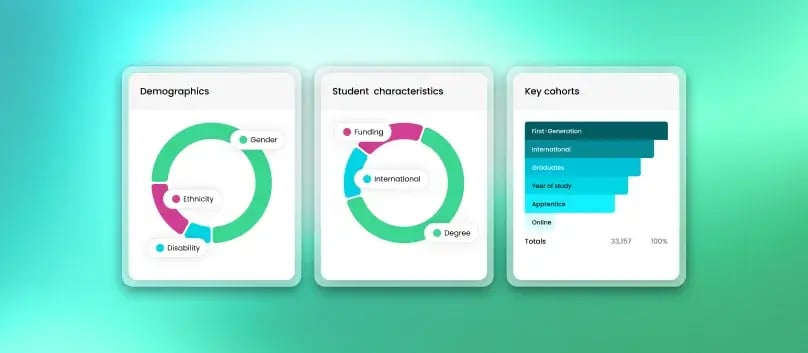
Analyse results by demographic groups, student characteristics and other key cohorts.
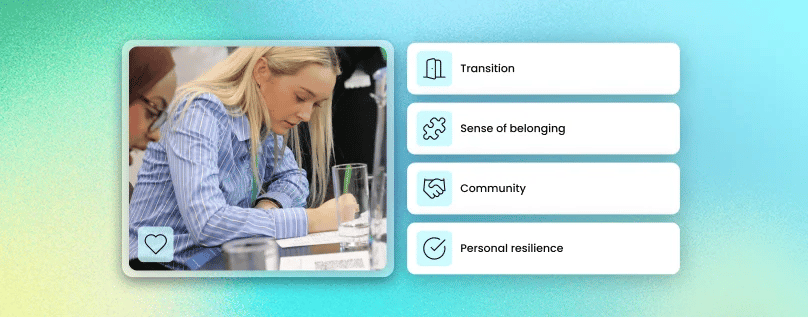
Explore the impact of transition to university, belonging, community and social connection on student wellbeing.
Identify which support services students know about, access and value most.

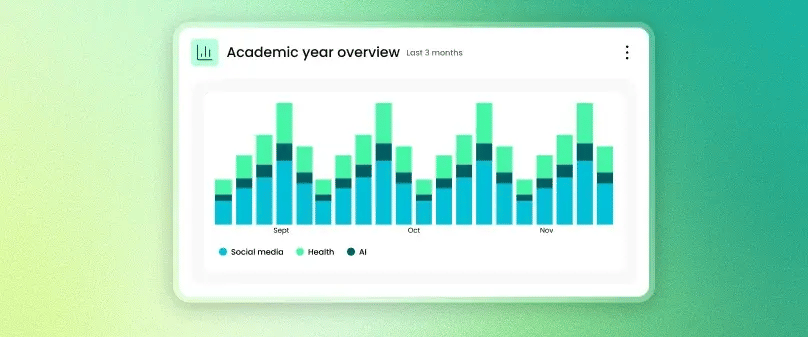
Analyse data by subject area, student characteristics, demographic groups and other key cohorts.
Identify disengaged student groups and opportunities for targeted interventions, communications and programme design.
Present findings in a format suitable for service leaders, executive teams and institutional committees. Support investment decisions, staffing discussions and service reviews with robust benchmark data.
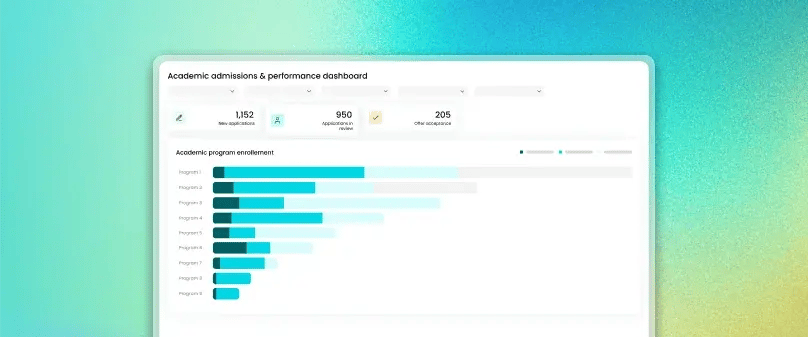
Discover how Student Mental Health Insight & Benchmarking can help your university better understand student wellbeing, evaluate support services and make evidence-based decisions.